There is a specific kind of hunger that builds in a reader who has spent years trying to fit herself into genres that refused to see her clearly. She made herself fit. She learned to read sideways, to find herself in the margins, to take what wasn’t offered.
You love horror. You’re here, so that’s established. But you’ve also noticed the pattern: the women who love each other are the ones who die first, or the ones who never quite get to love each other at all. The sapphic desire exists as subtext, as implication, as the thing the narrative won’t look at directly. You’ve learned to read between the lines because that’s what you were given to work with.
(If you want proof that it doesn’t have to be that way, Netflix’s Castlevania gives you a sapphic couple that makes it to the end of the series intact. And if you want your heart broken by almost, Nana has been doing that to sapphic audiences since 2000.)
But the books below are proof that darkness belongs to sapphic stories too, fully and without apology.
These twenty-one titles are not subtext. They are horror stories that place women who love women at the center of the darkness and ask what lives with them there. Gothic vampires, body horror, cosmic dread, slow-burning atmosphere, psychological terror. All of it. All here. All are unambiguous about what they are.
This list is for the Haunted Darlings.
This post contains affiliate links. If you purchase through my links, I may earn a small commission at no extra cost to you.
Table of Contents
- The Lineage: Gothic Classics
- Vampires, Ancient and New
- When the Body Becomes Horror
- Atmosphere and Dread
- Beyond the Gothic
- When the Lights Stay On
- Where to Start If You’re New to Sapphic Horror
Section One: The Lineage — Gothic Classics
1. Carmilla — Joseph Sheridan Le Fanu (1872)
Genre: Gothic horror, Vampire fiction, Classic literature Adult/YA: Adult (Victorian; age-appropriate for older teens)
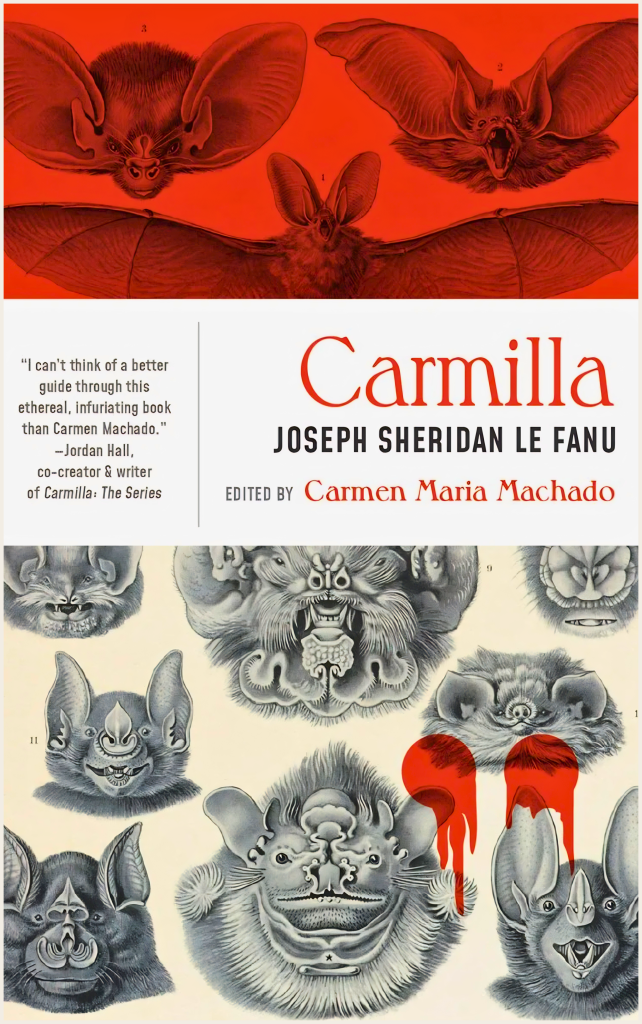
In a remote Styrian castle, Laura meets Carmilla, a beautiful and sickly girl stranded by a carriage accident. Their relationship becomes increasingly intense, with declarations of love that feel like seductions as much as they feel like threats. Laura weakens. Carmilla grows stranger. Published twenty-six years before Dracula, this novella shaped the entire vampire genre and created the sapphic vampire archetype before the term existed.
One Sentence Summary: A Victorian gothic novella about a young woman who falls under the obsessive spell of a beautiful, mysterious houseguest who very much wants to consume her.
Book Theme: Desire as predation. Intimacy as danger. The female friendship that is not a friendship.
Book Throughline: Laura’s growing suspicion that the girl she loves is the thing that is killing her, held at arm’s length for as long as love will allow.
Trigger warnings: Blood, death, violence, murder, racism, child death, suicide, death of a parent
→ Get the Book: Bookshop.org | Amazon.com
2. Hungerstone — Kat Dunn
Genre: Gothic horror, Vampire fiction, Carmilla retelling Adult/YA: Adult
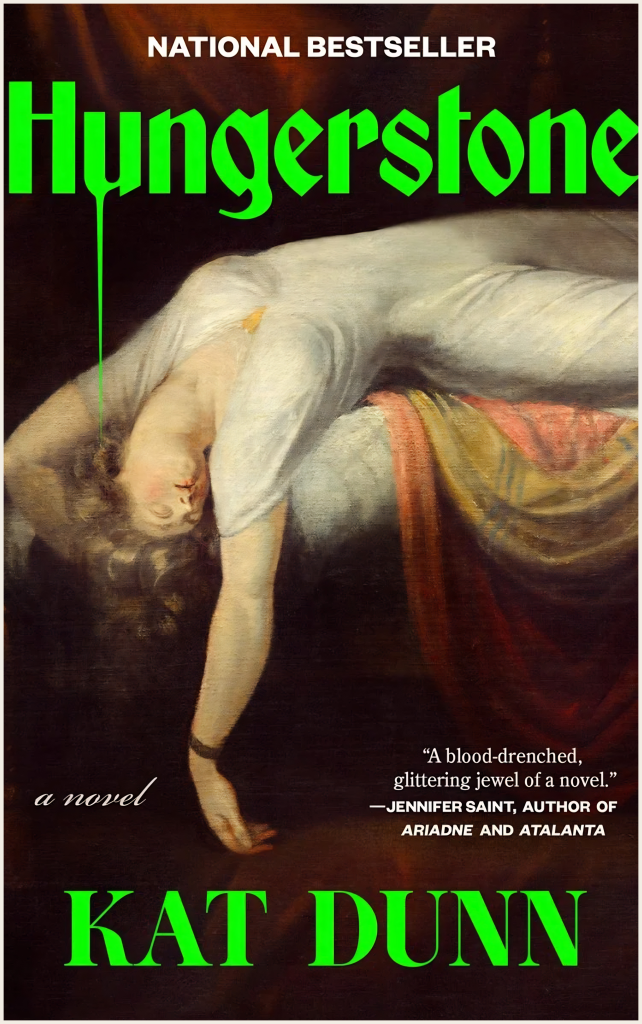
Kat Dunn takes the bones of Carmilla and reassembles them in industrial-era England, where Lenore, the wife of an ambitious steel tycoon, finds her tightly curated life cracking open after a mysterious young woman enters her household. Dunn brings a modern feminist eye to Victorian Gothic without softening the dread. The Carmilla inheritance is explicit rather than coy. If you read Le Fanu’s original and wanted to live longer inside that fever, this is the book to read.
One Sentence Summary: A feminist gothic retelling of Carmilla set against the soot, smoke, and social climbing of industrial England.
Book Theme: Hunger as inheritance. Female ambition trapped in the wrong era. Desire that refuses to be polite.
Book Throughline: Lenore’s slow unraveling of what her beautiful, unsettling houseguest actually is, and what it will cost her to know it.
Trigger warnings: Blood, murder, gore, infidelity, infertility, sexual content, forced institutionalization, suicidal thoughts, animal death
→ Get the Book: Bookshop.org | Amazon.com
Section Two: Vampires, Ancient and New
3. A Dowry of Blood — S.T. Gibson
Genre: Gothic horror, Dark romance, Vampire fiction, Epistolary Adult/YA: Adult
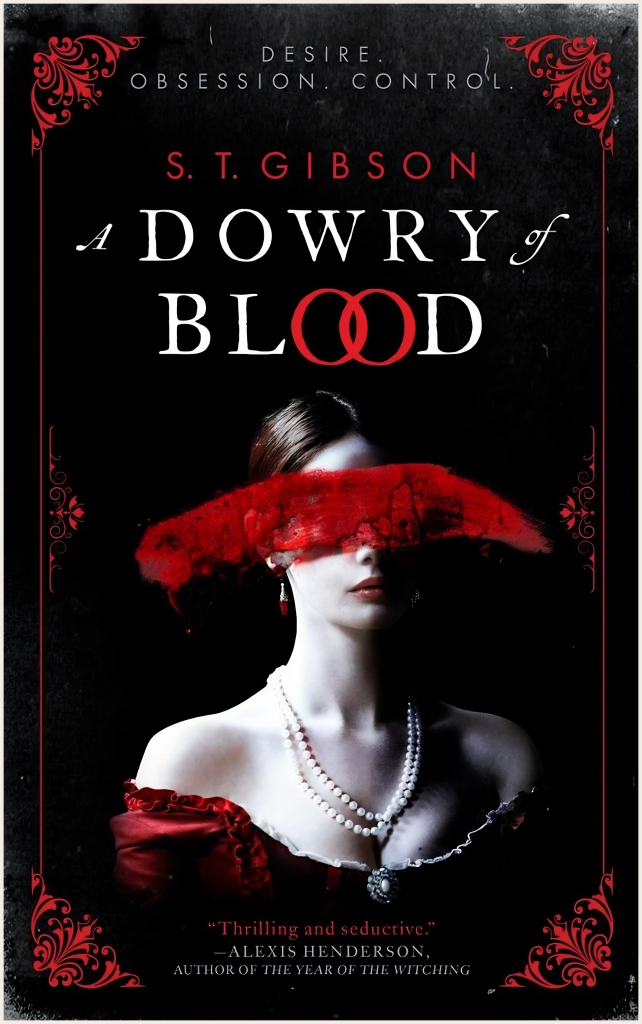
Constance is Dracula’s first wife, and the book opens as her long letter to him after everything has ended, written in second person and addressed to the man who made her, kept her, and broke her. Over centuries, he collects others, including Magdalena, the sapphic spark who becomes Constance’s quiet rebellion and her real love story. Gibson writes love and abuse with equal care, which is what makes the book heartwrenching. The prose is the kind you read aloud because the words are leaving your mouth before you notice. If you have ever wanted a vampire novel that takes its love stories as seriously as its horror, start here.
One Sentence Summary: A polyamorous vampire wife’s centuries-spanning letter to the husband who made her, in which the real love story unfolds in the margins.
Book Theme: Coercive love. Found family in survival.
Book Throughline: Constance writing her way backward through centuries of love, loss, and survival toward the single act of leaving, and the woman who made leaving possible.
Trigger warnings: Blood, emotional abuse, toxic relationship, sexual content, domestic abuse, physical abuse, war, sexual assault, alcohol
→ Get the Book: Bookshop.org | Amazon.com
4. Bury Our Bones in the Midnight Soil — V.E. Schwab
Genre: Gothic horror, Vampire fiction, Literary horror Adult/YA: Adult
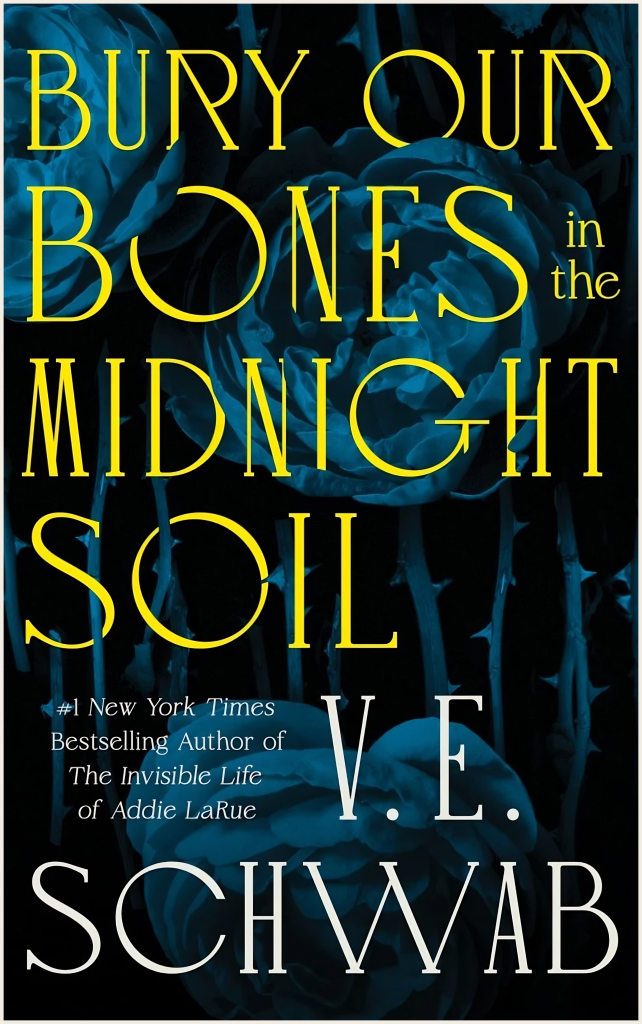
V.E. Schwab threads three women across different eras of history, all connected by the same hunger and the same condition. Her interest is not in the fang but in what surviving forever does to a woman who never asked for it. Readers who loved The Invisible Life of Addie LaRue will recognize the structural confidence. The sapphic relationships are the spine of the story, not the adornment.
One Sentence Summary: A multi-era sapphic vampire saga from the author of Addie LaRue, threading three women’s lives across centuries of hunger and inheritance.
Book Theme: Immortality as a condition rather than a gift. Hunger that outlasts every life it touches.
Book Throughline: Three women separated by centuries, each carrying the same inheritance, each moving toward the moment she understands what was passed to her and what it will cost to keep it.
Trigger warnings: Misogyny, sexual assault, pregnancy
→ Get the Book: Bookshop.org | Amazon.com
5. Woman Eating — Claire Kohda
Genre: Literary fiction, Vampire fiction, Contemporary horror Adult/YA: Adult
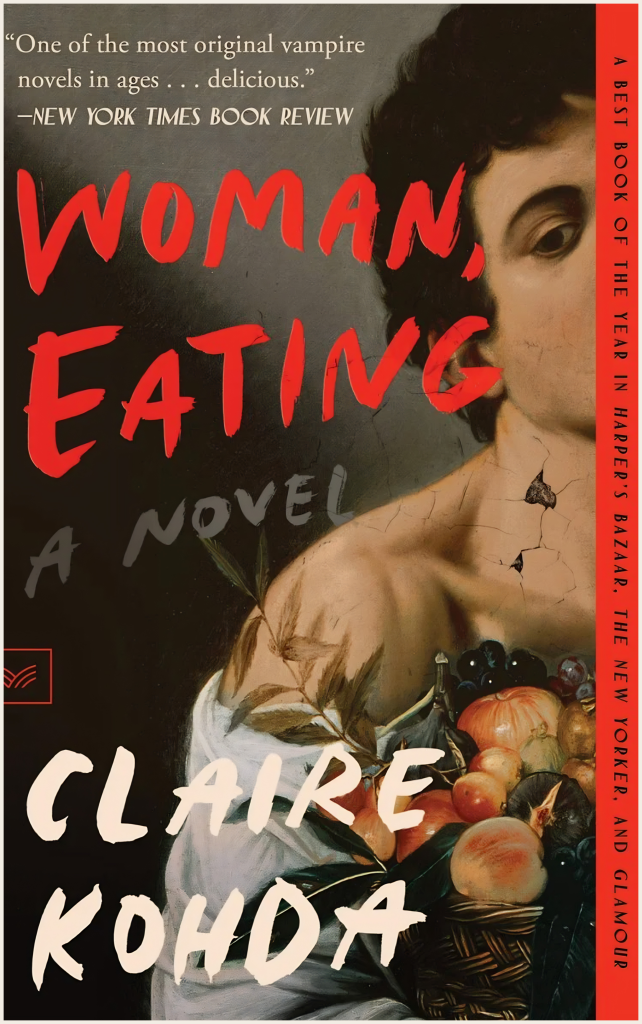
Lydia is a young mixed-race vampire of Japanese and British descent, newly arrived in London for an arts internship. She is also broke, lonely, and trying to figure out how to exist in a world that has no obvious place for her. The horror is small and constant, the kind that lives inside microaggressions and isolation rather than fang and shadow. Kohda writes hunger as an identity crisis, and the result is a vampire novel that reads like literary fiction about the millennial condition with extra teeth. Recommend this to the friend who keeps saying she doesn’t really read horror.
One Sentence Summary: A young mixed-race vampire moves to London, takes an arts internship, and tries to build a life inside a body that doesn’t quite belong.
Book Theme: Identity. Inheritance. What it means to consume, and what it costs to refuse to.
Book Throughline: Lydia’s daily, exhausting refusal to take what she needs, and the slow question of whether surviving on less than you require is the same thing as living.
Trigger warnings: Blood, eating disorder, animal death, sexual harassment, sexual assault, dementia, death of a parent, cancer, racism
→ Get the Book: Bookshop.org | Amazon.com
6. Thirst — Marina Yuszczuk (translated from Spanish by Heather Cleary)
Genre: Literary horror, Vampire fiction, Translated fiction Adult/YA: Adult
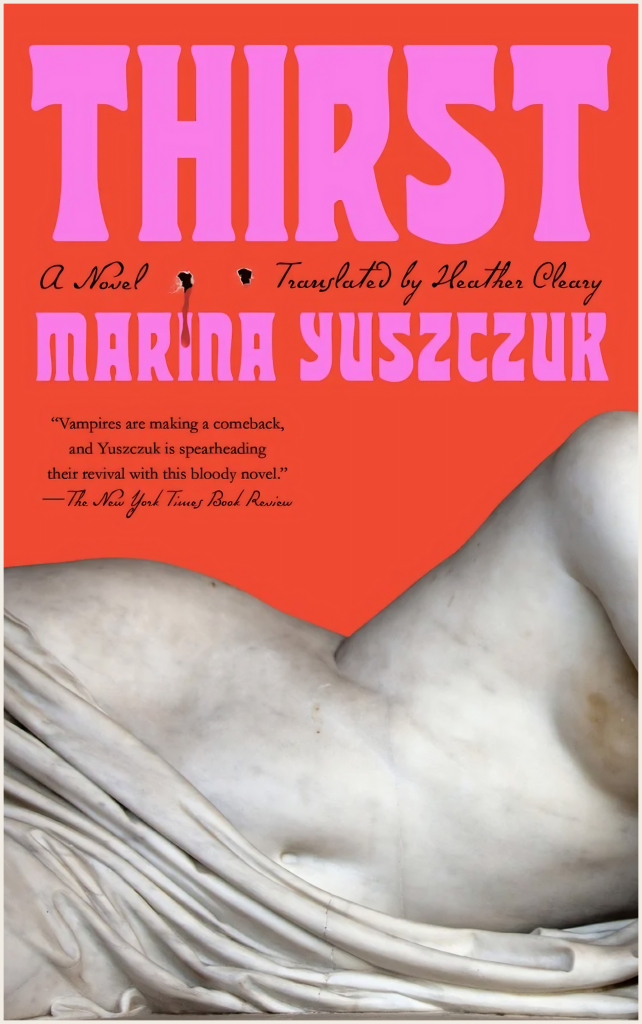
A vampire arrives in nineteenth-century Buenos Aires and survives there for more than a century, eventually drifting into the orbit of a modern woman caring for her dying mother. The two narratives meet, and what they make together is unlike anything else on this list. Yuszczuk writes Argentine gothic with literary patience and unflinching erotic clarity. Translated fiction is criminally underrepresented in English-language sapphic horror, and this book makes the case for why that needs to change. Pair it with a glass of something dark.
One Sentence Summary: A nineteenth-century Argentine vampire and a modern woman caring for her dying mother find each other across more than a century of grief, hunger, and desire.
Book Theme: Mortality. Mothers. The body is the thing that fails us all eventually.
Book Throughline: Two women separated by a century, each made strange by their proximity to death, find in each other the only company that does not require them to pretend otherwise.
Trigger warnings: Blood, death of a parent, murder, suicide attempt, sexual content, terminal illness, confinement, abandonment, child death
→ Get the Book: Bookshop.org | Amazon.com
Section Three: When the Body Becomes Horror
7. Bloom — Delilah S. Dawson
Genre: Body horror, sapphic horror, fungal horror Adult/YA: Adult
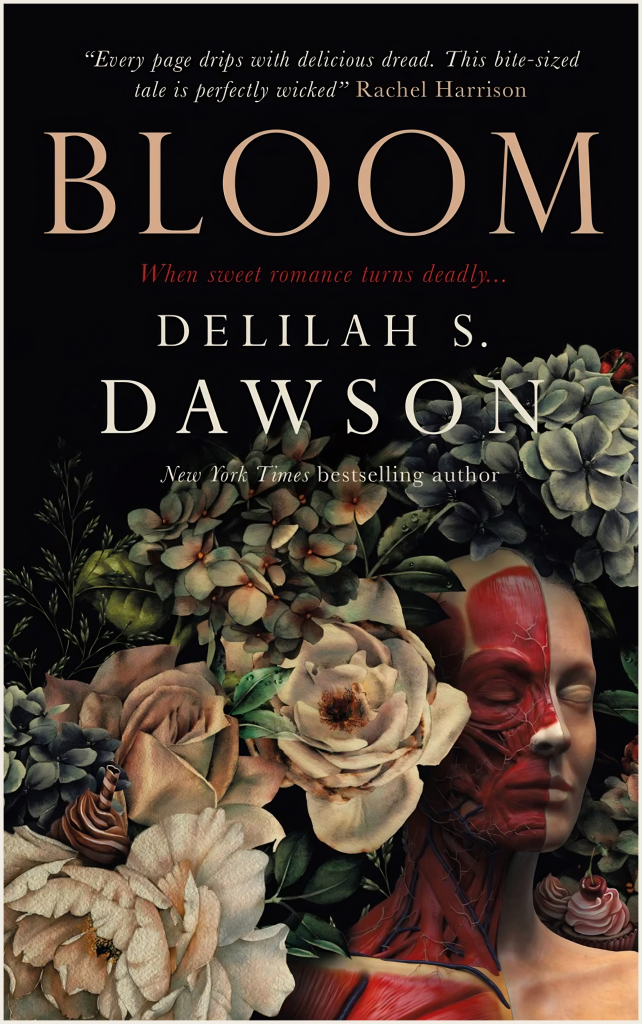
Rosemary meets Ash at the farmer’s market, and Ash is everything Rosemary has ever wanted: beautiful, attentive, a baker who brings her the most exquisite homemade treats. The relationship is intoxicating. The baked goods are suspicious. Dawson writes fungal body horror with a wink. The novella is short. The horror is not. If you have ever read the words “she made me a cake” and felt your blood pressure spike, this one is for you.
Book in one sentence: A lonely woman falls hard for a soft-spoken baker whose perfect homemade gifts hide something growing.
Book Theme: Devotion as consumption. Sweetness as warning. The woman who is too perfect to be real.
Book Throughline: Rosemary’s slow, willing descent into a love she knows is wrong and cannot bring herself to leave, because being chosen by something that wants you this completely is its own kind of hunger.
Trigger warnings: Cannibalism, murder, animal death, vomit, torture, sexual content, child abuse, sexual violence, sexual assault
→ Get the Book: Bookshop.org | Amazon.com
8. Queen of Teeth — Hailey Piper
Genre: Body horror, sapphic horror, transformation Adult/YA: Adult
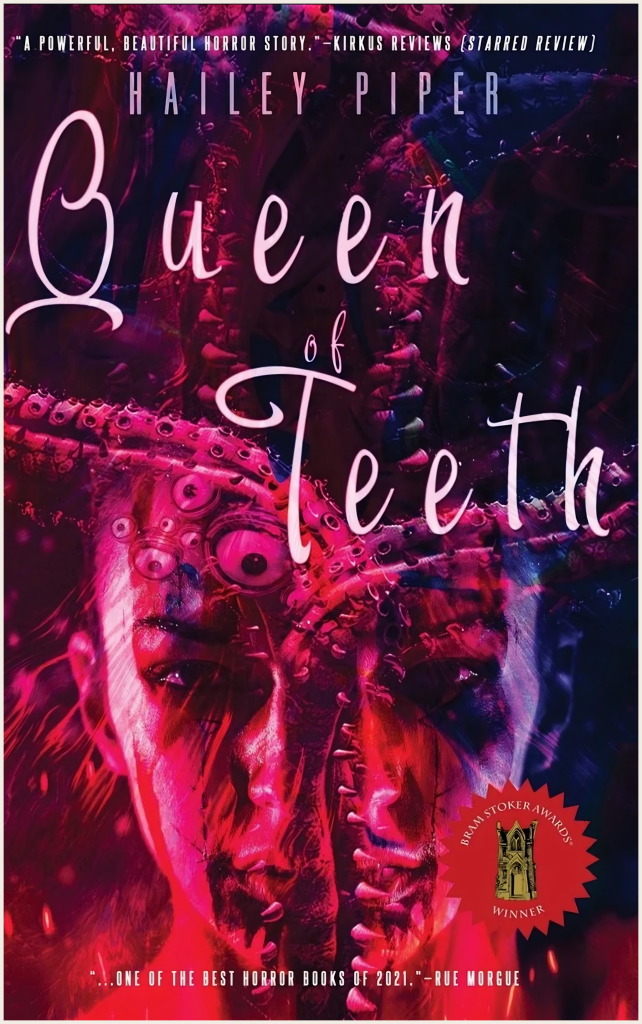
Yaya wakes up to find her body is changing in ways the company-issued literature definitely did not warn her about. New teeth. New appetites. New opinions about who deserves to survive. Piper is one of the most prolific voices in indie sapphic horror, and her work has the velocity of someone who has nothing left to prove. Body horror, corporate conspiracy, and a sapphic love story bolted firmly to the engine. It is also fun, which is a thing horror is allowed to be.
Book in one sentence: A woman discovers her body is growing teeth in places it absolutely should not, and the corporation that owns her healthcare is very interested in studying her.
Book Theme: Bodily autonomy under capitalism. Transformation as resistance. Hunger as righteousness.
Book Throughline: Yaya’s escalating refusal to let her body be studied, claimed, or explained by anyone who was not there when it changed, and the love that gives that refusal somewhere to stand.
Trigger warnings: Body horror, gore, violence, sexual content, sexual assault, medical content, sexual harassment, animal death, racism
→ Get the Book: Bookshop.org | Amazon.com
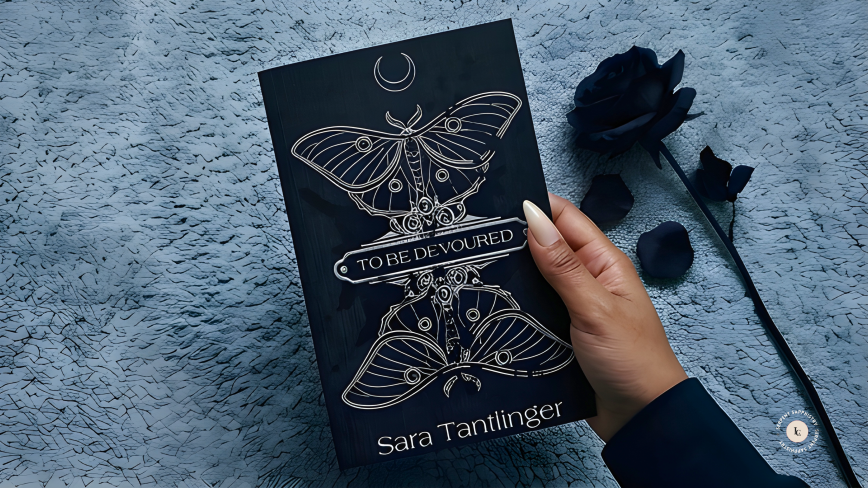
9. To Be Devoured — Sara Tantlinger
Genre: Horror poetry novella, body horror, sapphic horror Adult/YA: Adult
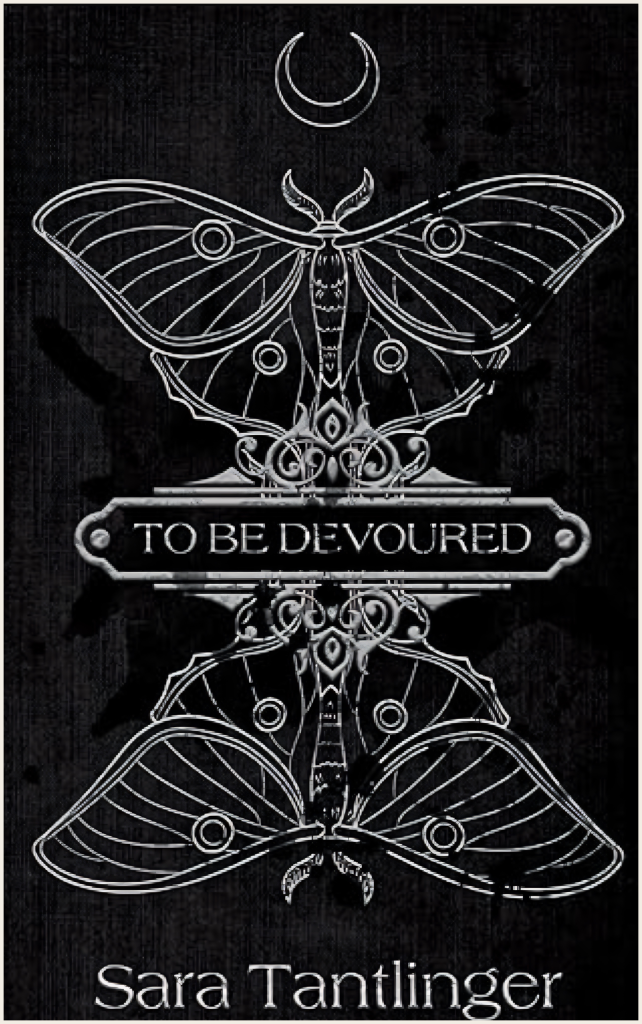
Andi is obsessed with vultures. Tantlinger, who has won the Bram Stoker Award for her poetry, writes prose like a poet, which means every sentence carries its own weight and bruises on contact. The novella is short, dense, and deeply unsettling, the kind of book you finish in one sitting and then carry around inside you for weeks. If you want horror that reads like literature and literature that reads like horror, this is the doorway.
Book in one sentence: A woman’s obsession with vultures becomes the lens through which she examines her own appetites, in a short, sharp horror novella from an award-winning poet.
Book Theme: Obsession as devotion. Decay as beauty. The things we cannot stop watching.
Book Throughline: Andi’s deepening inability to separate what she loves from what she wants to consume, and the question of whether there was ever a difference.
Trigger warnings: Animal death, cannibalism, animal cruelty, death of a parent, child death, vomit, racism, cancer, infidelity
→ Get the Book: Amazon.com
10. Chlorine — Jade Song
Genre: Psychological horror, body horror, sapphic horror Adult/YA: Adult
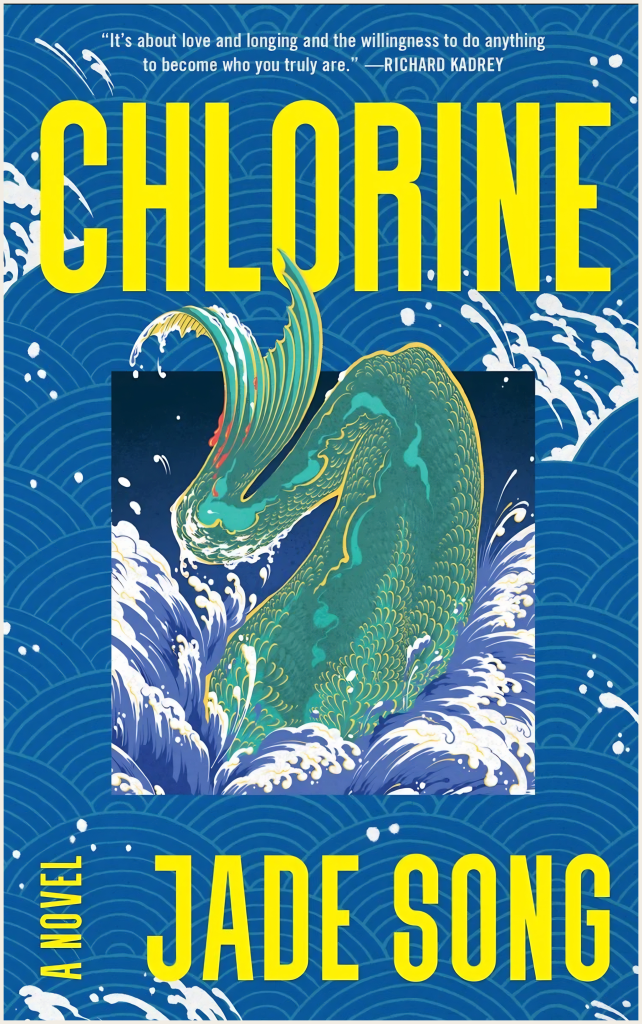
Ren is a Chinese-American competitive swimmer who believes she is becoming a mermaid. The body horror, the disordered eating, the obsession, the dysmorphia, the queer desire, the pressure of immigrant daughterhood: all of it is woven together so tightly that pulling on one thread tightens every other one. Song’s debut does not soften. It does not let you stay at a safe distance. The readers who need this book will recognize it at a glance.
Book in one sentence: A Chinese-American competitive swimmer believes she is transforming into a mermaid, and the cost of her transformation is everything she has ever been told to be.
Book Theme: Transformation as escape. The body as battleground. Queer desire under cultural pressure.
Book Throughline: Ren’s total, uncompromising commitment to her own transformation, and the question the novel refuses to answer: whether she is a girl destroying herself or a creature finally becoming what she always was.
Trigger warnings: Body horror, self-harm, blood, sexual assault, racism, eating disorders, pedophilia, vomit, alcohol
→ Get the Book: Bookshop.org | Amazon.com
Section Four: Atmosphere and Dread
11. Plain Bad Heroines — Emily M. Danforth
Genre: Gothic horror, dual-timeline horror, sapphic horror Adult/YA: Adult
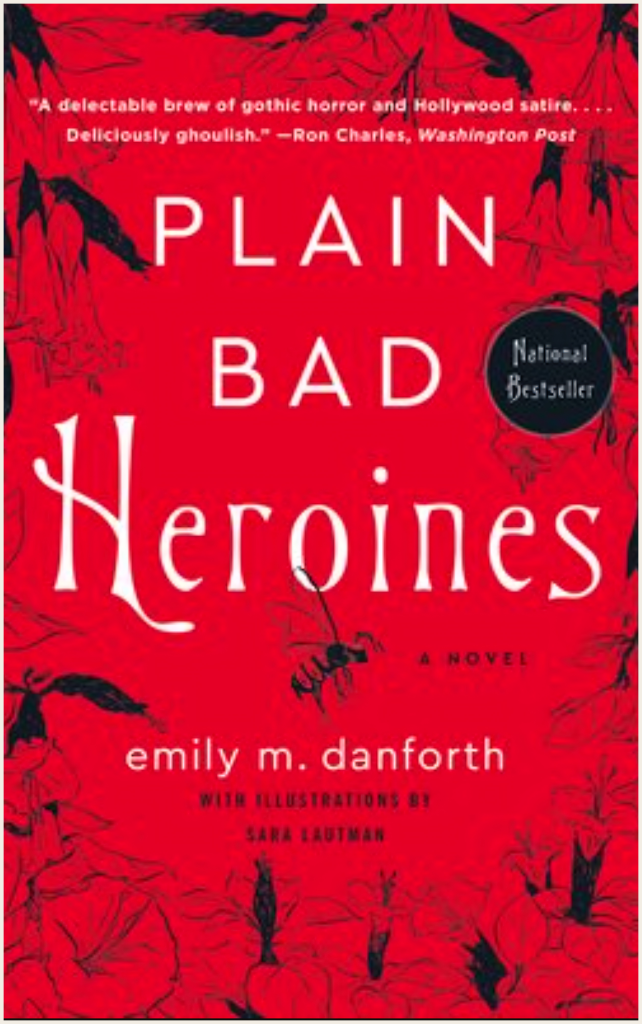
A cursed early twentieth-century girls’ school. A book of dead heroines. Yellowjackets. A modern-day film production based on the historical events. Two timelines that braid into each other across hundreds of pages of gorgeous, voicey, footnote-laden gothic. Danforth writes long, writes lush, and has earned every page. This is the dark academia novel that actually delivers darkness, and the sapphic relationships are not decoration. Block out a weekend.
Book in one sentence: A cursed New England girls’ school in the early 1900s and a modern film production based on its tragedies converge in a sprawling dual-timeline gothic where the sapphic relationships are the spine, not the subplot.
Book Theme: Curses as inheritance. The way history writes women’s deaths into fiction. The ghosts that fame summons.
Book Throughline: A curse that has been waiting for the right girls across a century, and two timelines of women too alive, too queer, and too visible to avoid being found by it.
Trigger warnings: Death, body horror, child death, suicide, homophobia (historical), drug use, sexual assault, forced institutionalization, fatphobia
→ Get the Book: Bookshop.org | Amazon.com
12. My Darling Dreadful Thing — Johanna Van Veen
Genre: Gothic horror, supernatural horror, sapphic horror Adult/YA: Adult
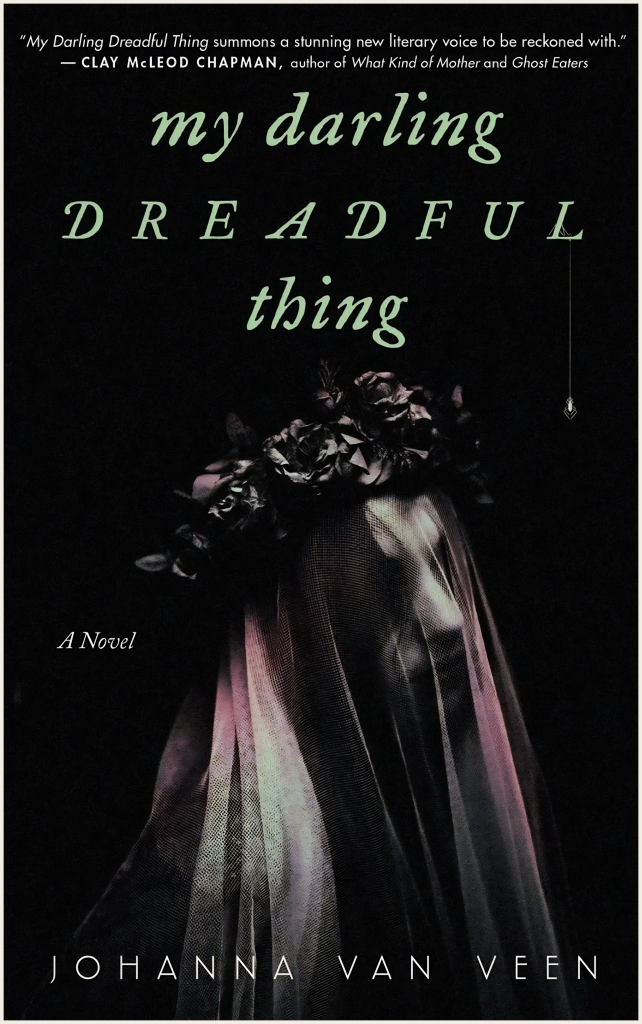
Roos has a familiar, a girl-shaped spirit she calls Ruth who has been with her since childhood and lives just outside the edge of where other people can see. When Roos takes a post in a strange Dutch household, she falls for the family’s daughter, and the question becomes whether love and haunting can coexist in the same life. Van Veen writes gothic horror with the patience of someone who knows exactly what she is doing. The bond between Roos and Ruth is one of the strangest, most tender portrayals of queer-coded companionship in recent gothic fiction.
Book in one sentence: A young woman with a ghost-girl companion only she can see takes a post in a wealthy Dutch household and falls for the daughter of the house.
Book Theme: The companions we cannot let go of. Love as exposure. The gothic household as test.
Book Throughline: Roos trying to hold her love for Mina and her bond with Ruth inside the same life, and Ruth’s quiet, patient, deeply unsettling opinion about whether that is going to be possible.
Trigger warnings: Death, child abuse, racism, incest, sexual assault, rape, death of a parent, animal death, child death
→ Get the Book: Bookshop.org (Ebook), Bookshop.org (Paperback) | Amazon.com
13. House of Hunger — Alexis Henderson
Genre: Gothic horror, dark fantasy, blood-harvesting, colonial gothic Adult/YA: Adult
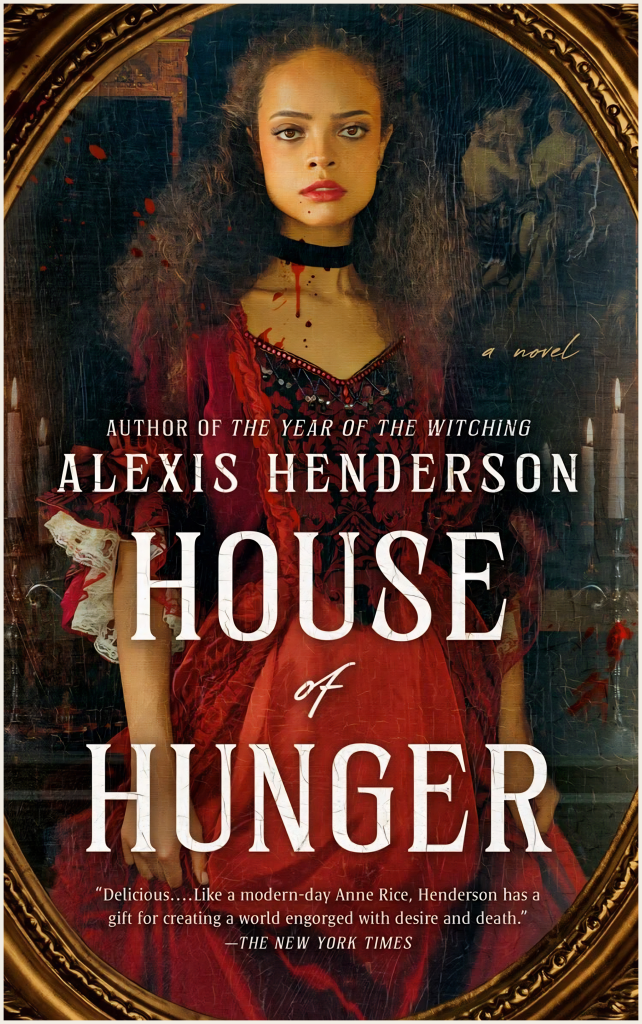
Marion is a girl from the slums who answers an advertisement for bloodmaids, the young women whose blood is harvested to extend the life of the aristocracy. She is hired into the house of the Countess Lisavet, who is beautiful, terrible, and immediately fixated on her. Henderson writes horror with political teeth. The class critique is sharp, the relationship is sharper, and the gothic atmosphere is the kind you want to live inside even as you understand exactly what is being done there. The wealth is the monster. The Countess is just its best argument.
Book in one sentence: A girl from the slums becomes a bloodmaid to a beautiful, terrible Countess and discovers what the aristocracy really does to keep itself young.
Book Theme: Class as predation. Beauty as currency. The cost of being chosen.
Book Throughline: Marion’s slow, costly understanding of the difference between being chosen and being owned by a woman whose desire for her is genuine and whose power over her is total.
Trigger warnings: Blood, gore, violence, sexual content, drug use, toxic relationship, death of a parent, incest, animal death
→ Get the Book: Bookshop.org | Amazon.com
14. Providence Girls — Morgan Dante
Genre: Gothic horror, occult horror, sapphic horror, New England gothic Adult/YA: Adult
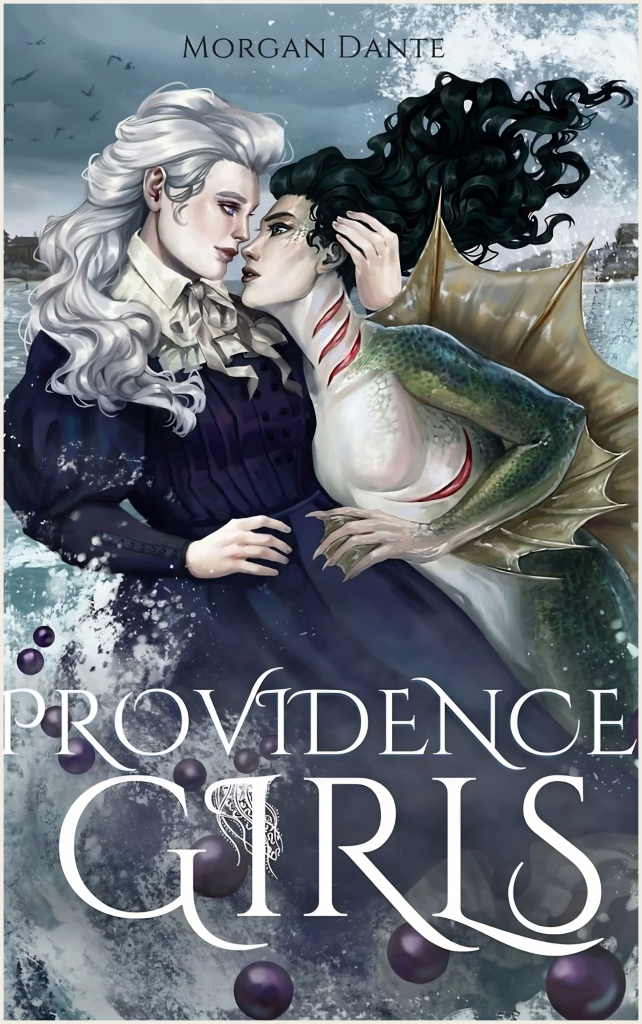
Set in the occult-haunted New England that has shaped American horror for more than a century, Providence Girls is an indie sapphic gothic that has built its readership through word of mouth in dark fiction reading spaces and rarely lets a reader go after the first chapter. Dante writes with attention to atmosphere, religious unease, and the particular dread that the American Northeast does so well. If your sapphic horror reading has lived mostly inside traditionally published titles, this is the book that opens up the wider ecosystem where so much of the most interesting work is actually happening.
Book in one sentence: An indie New England occult gothic with sapphic rep, circulated through dark fiction reading communities and devotedly recommended.
Book Theme: Occult inheritance. Faith and its failures. The gothic landscape of the American Northeast.
Book Throughline: A group of young women in New England drawn into something older and hungrier than they understood when they first said yes to it.
Trigger warnings: Body horror, rape, incest, ableism, sexual assault, death, pregnancy, child death, racism
→ Get the Book: Bookshop.org | Amazon.com
Section Five: Beyond the Gothic
15. Our Wives Under the Sea — Julia Armfield
Genre: Literary horror, cosmic/creature horror, sapphic horror Adult/YA: Adult
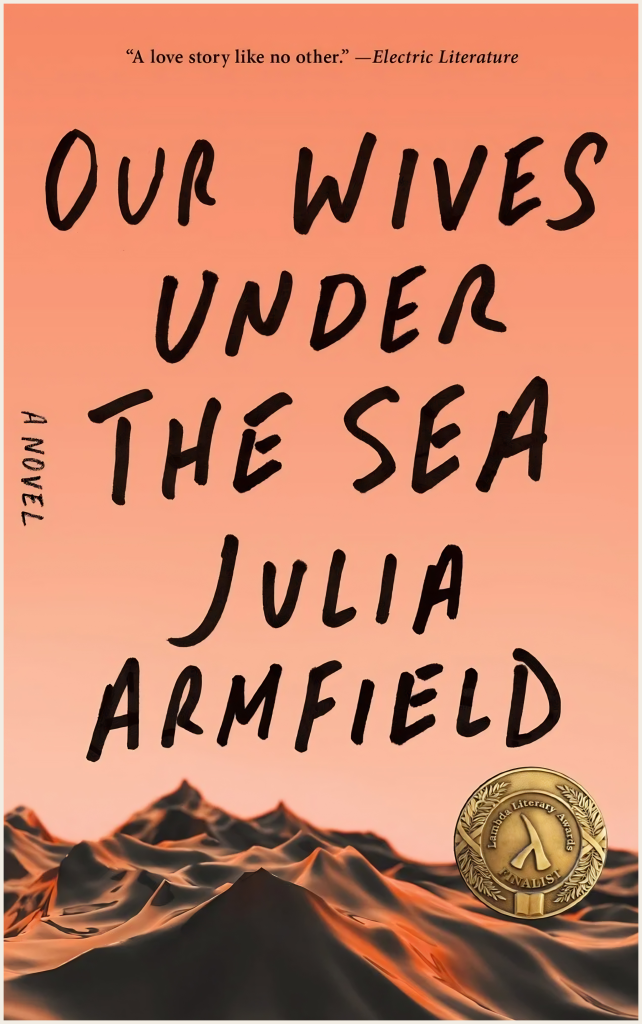
Miri’s wife Leah returns from a deep-sea research mission, but she comes back wrong. Something happened down there, and Leah is becoming, slowly and irreversibly, not quite Leah anymore. Armfield writes grief the way the deep ocean exerts pressure: total, quiet, and total again. The novel moves between Miri’s present-day care for her dissolving wife and Leah’s submarine log, and the structure does what the prose alone could not. If you have ever loved someone who was becoming something else, you will recognize this book. If you haven’t, you will recognize it anyway.
Book in one sentence: A woman’s wife returns from a months-long deep-sea research mission profoundly changed, and the novel that follows is grief, body horror, and marriage all braided together into one long descent.
Book Theme: Grief as transformation. Love that cannot save. The body that goes where you cannot follow.
Book Throughline: Miri loving a wife who came back from the deep ocean changed beyond retrieval, and the unbearable, patient work of staying beside someone who is becoming something the sea has a better claim on than you do.
Trigger warnings: Body horror, grief, confinement, death of a parent, death, suicide, lesbophobia, homophobia, sexual content
→ Get the Book: Bookshop.org (Ebook), Bookshop.org (Paperback) | Amazon.com
16. The Dead Take the A Train — Cassandra Khaw & Richard Kadrey
Genre: Urban horror, cosmic/eldritch horror, sapphic horror Adult/YA: Adult
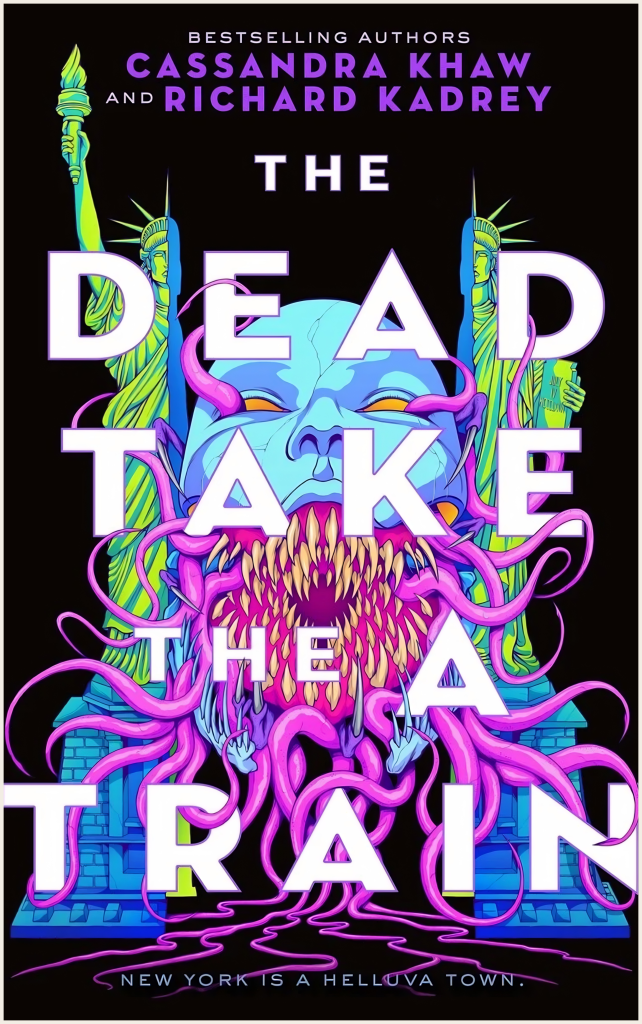
Julie Crews is a magical fixer in New York City running on alcohol, blood magic, and bad decisions. When her former best friend Sarah shows up needing help, the bottom of her precarious life starts falling out in eldritch increments. Khaw writes prose like a switchblade, and pairs it here with Kadrey’s noir grit. The result is the fastest book on this list. It is also the messiest, by which I mean both stylistically and viscerally. Wear something you don’t mind getting blood on.
Book in one sentence: A magical fixer in New York reunites with her former best friend and her former best friend’s catastrophic problem, and discovers her sustainable disaster of a life can, in fact, get worse.
Book Theme: Friendship under cosmic pressure. The city as occult ecosystem. Addiction as survival strategy.
Book Throughline: Julie discovering that the controlled disaster she has made of her life has left her exactly no margin for the uncontrolled one Sarah just walked back into it with, and running anyway.
Trigger warnings: Gore, body horror, violence, domestic abuse, self-harm, suicide, cannibalism, sexual content, grief
→ Get the Book: Bookshop.org | Amazon.com
17. The Starving Saints — Caitlin Starling
Genre: Dark fiction, religious horror, sapphic horror Adult/YA: Adult
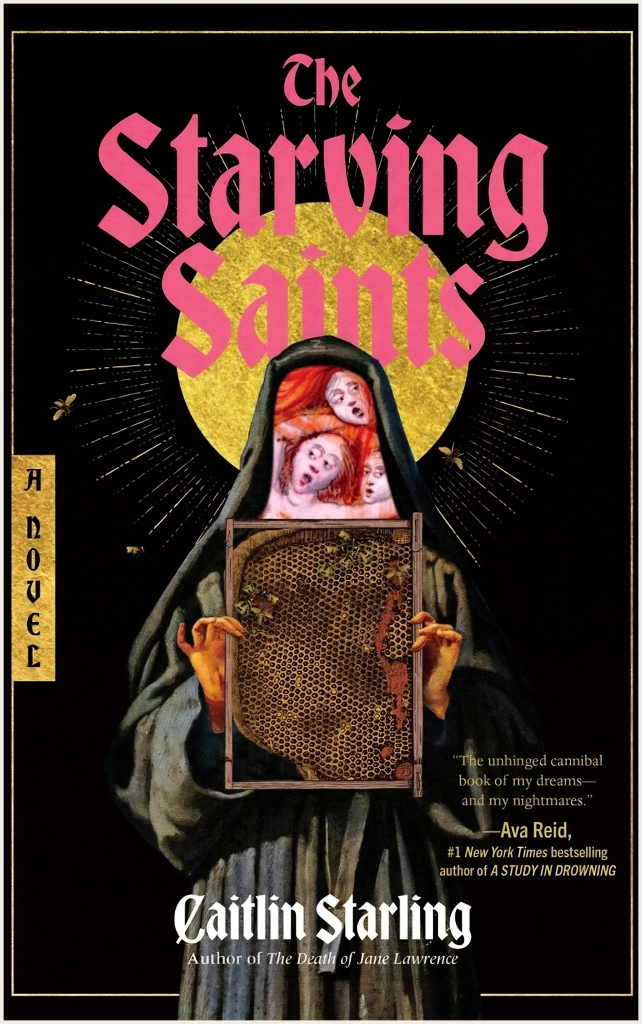
A medieval castle under siege, its inhabitants starving, when four mysterious figures arrive claiming to be the saints sent to relieve their hunger. What follows is religious horror in its purest form, the kind that asks what it costs to believe and what it costs more to stop. Starling writes with psychological precision that makes her books slow burns in the best sense, where the dread accumulates so gradually that you don’t notice it has filled the room until you cannot get out. The sapphic relationships are present and load-bearing.
Book in one sentence: A medieval castle’s starving inhabitants are visited by four figures claiming to be saints, and the religious horror that follows is slow, total, and impossible to look away from.
Book Theme: Faith as hunger. Miracle as predation. The things we will accept when we are starving enough.
Book Throughline: A castle full of starving people and four saints who arrived to feed them, and the slow, devastating revelation of what feeding actually requires.
Trigger warnings: Cannibalism, gore, body horror, war, death of a parent, confinement, animal death, sexual content, child death
→ Get the Book: Bookshop.org | Amazon.com
18. Gideon the Ninth — Tamsyn Muir
Genre: Gothic science-fantasy, necromancer horror, sapphic horror Adult/YA: Adult
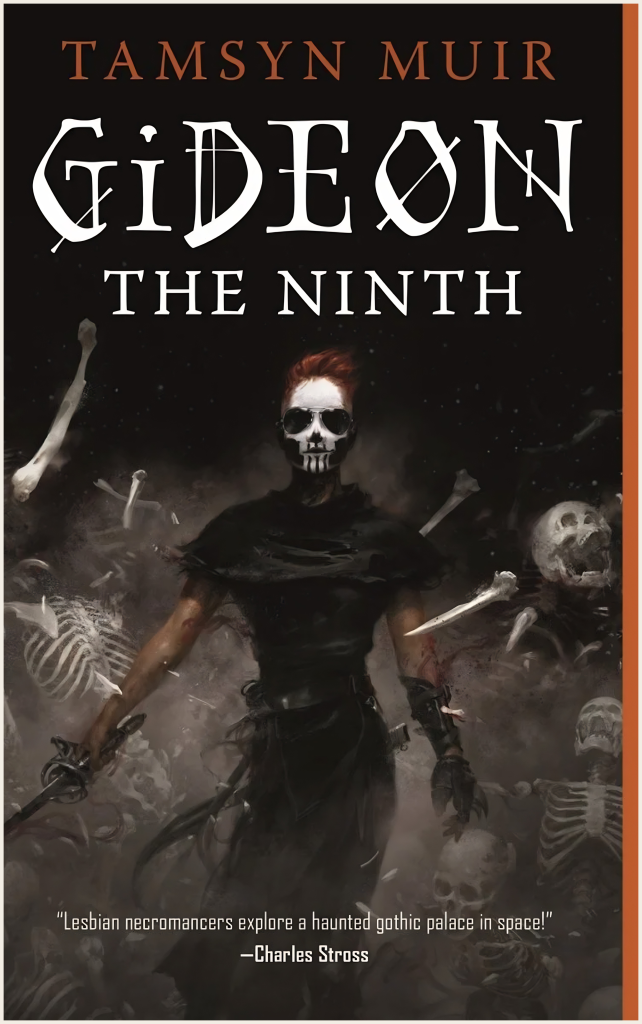
Gideon Nav is an orphan, a swordswoman, and the foul-mouthed cavalier to the heir of one of the Nine Houses of the necromantic empire that rules the galaxy. She does not want to be there. Harrowhark Nonagesimus, the necromancer she is bound to serve, does not want her either. They are sent to a haunted gothic palace to compete in a series of puzzles while most of the other competitors quietly begin dying. The book is genuinely funny. It is also genuinely sad. The sapphic tension is excruciating. Tamsyn Muir is doing something to the language that no one else is doing, and once you are in this series, you do not really come back out.
Book in one sentence: A foul-mouthed swordswoman and the necromancer who hates her are sent to a haunted gothic palace to compete for godhood, and somewhere in the bone dust and the corpse riddles, they have to figure out what they are to each other.
Book Theme: Devotion that refuses to name itself. The chosen family that hates you. Godhood as inheritance.
Book Throughline: Gideon spending an entire novel trying to leave the person she is bound to, solving a murder mystery inside a haunted gothic palace in the process, and arriving at the last page understanding for the first time exactly what she has always been willing to die for.
Trigger warnings: Death, violence, gore, suicide, child death, cancer, death of a parent, war, cannibalism
→ Get the Book: Bookshop.org | Amazon.com
Section Six: When the Lights Stay On
19. House of Rayne — Harley Laroux
Genre: Adult horror romance, explicit horror, sapphic horror Adult/YA: Adult (18+ only)
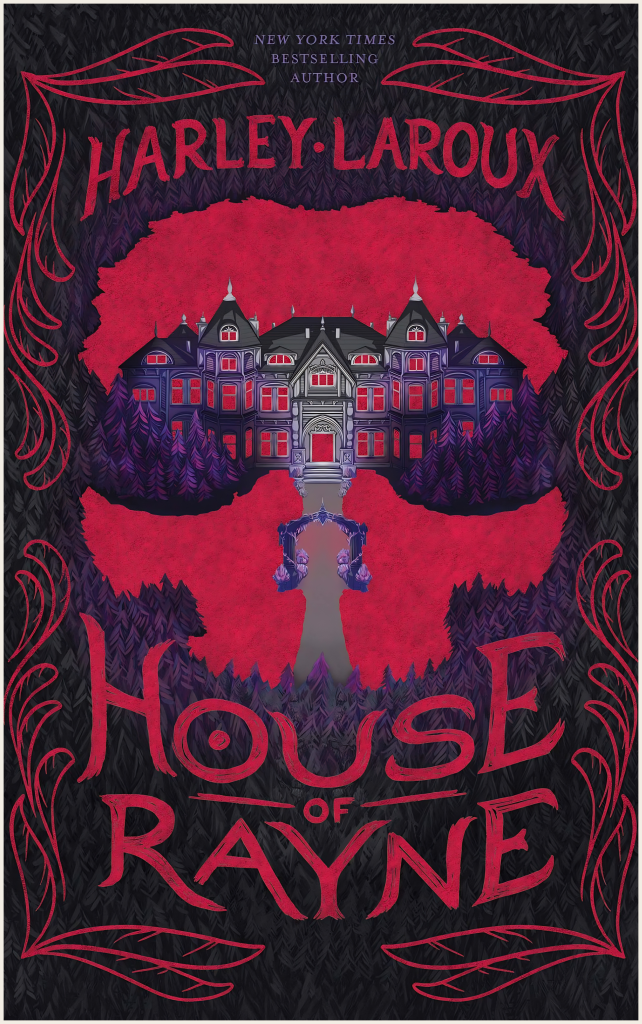
Harley Laroux is the writer to reach for when you want horror romance where both the horror and the romance are doing real work, where neither is wearing the other as a costume. House of Rayne brings her register to a haunted-house premise with sapphic leads. It is adult, explicit, and genuinely unsettling, which is a harder combination to pull off than it sounds. This is the book for readers who want fear and desire at full volume in the same chapter, not negotiated into separate corners.
Book in one sentence: A sapphic haunted-house horror romance for readers who want the fear and the desire at full volume in the same book, from one of the dominant voices in dark romance.
Book Theme: Desire and dread as the same emotion. The haunted house as confession booth.
Book Throughline: Two women inside a house that wants something from both of them, and the question of whether what they want from each other is going to be enough to get them out.
Trigger warnings: Sexual content, violence, death of a parent, gore, homophobia, body horror, alcohol, fire/fire injury, panic attacks
→ Get the Book: Bookshop.org (Ebook), Bookshop.org (Deluxe Limited Edition) | Amazon.com
20. Muñeca — Cynthia Gomez
Genre: Horror, Latine horror, sapphic horror Adult/YA: Adult
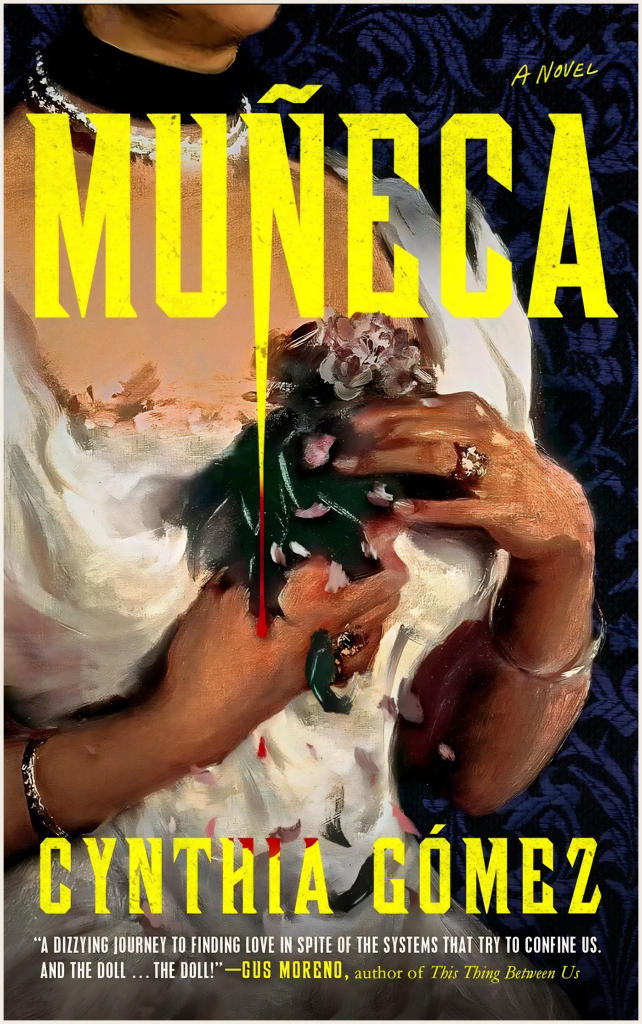
Cynthia Gomez writes Latine horror with the kind of cultural specificity that makes the dread land harder, where the haunting is rooted in particular language, particular family, particular inherited weight. Including this title here is part of how good curation works: it follows where the genre is actually growing, not just where it is being marketed by the major imprints. This is the kind of indie title that becomes a touchstone for the readers who find it.
Book in one sentence: A sapphic Latine horror title rooted in cultural specificity, family inheritance, and the particular dread of being haunted by what made you.
Book Theme: Inheritance. Language. The specific horrors of culture and family.
Book Throughline: A Latine woman haunted by something that knows her family’s language, her inherited fears, and exactly where to find her.
Trigger warnings: Domestic abuse, misogyny, violence, racism, murder, gun violence
→ Get the Book: Bookshop.org | Amazon.com
21. The Brides — Charlotte Cross
Genre: Gothic horror, vampire fiction, sapphic horror Adult/YA: Adult
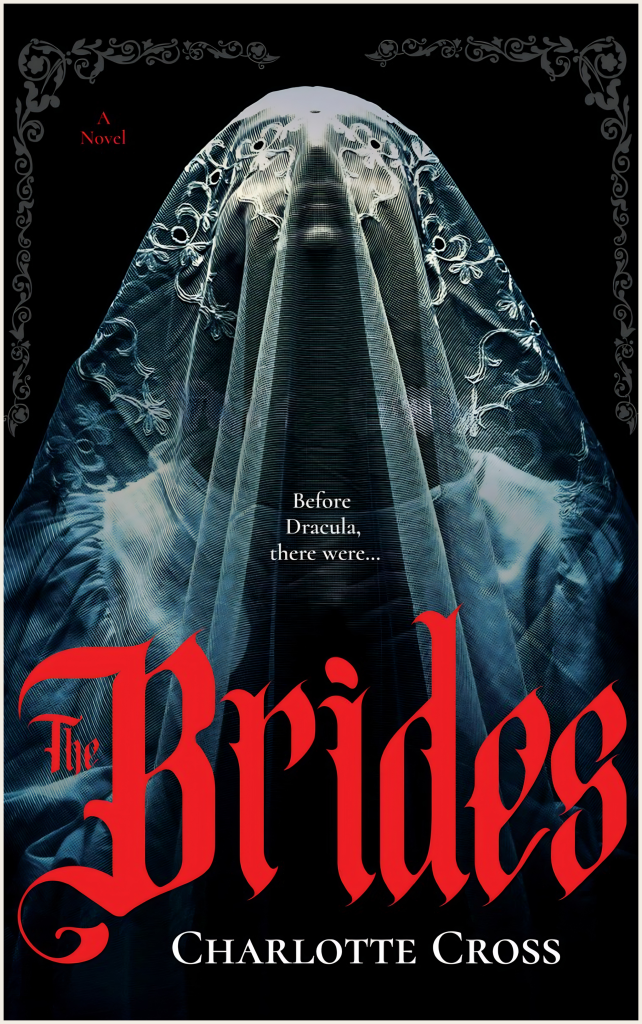
The Brides sits directly in conversation with the sapphic vampire-wives subgenre that A Dowry of Blood reawakened, written for the readers who finished that book and immediately wanted to know what comes next. Gothic atmosphere, vampiric marriage, women bound together by something ancient and hungry. If the phrase “sapphic vampire brides” made something in your chest move, you already know whether this one is for you.
Book in one sentence: A sapphic gothic vampire novel about brides, written for readers who finished A Dowry of Blood and immediately wanted another.
Book Theme: Marriage as containment. Sisterhood among the chosen. The gothic household as cage.
Book Throughline: Women bound to something ancient that chose them before they understood what being chosen meant, and what they are willing to do to each other inside that binding.
Trigger warnings: Blood, mental illness, injury detail, terminal illness
→ Get the Book: Bookshop.org (Ebook), Bookshop.org (Hardcover) | Amazon.com
Section Seven: Where to Start If You’re New to Sapphic Horror
Twenty-one books is a lot. If sapphic horror is a new genre for you rather than a scattered handful of titles, here is how to enter:
Start with Our Wives Under the Sea. It is the gentlest entry point on this list and probably the one most likely to make you cry. The horror is quiet and grief-shaped, which means it asks for emotional courage rather than a strong stomach. If you are testing whether sapphic horror is a genre you can live within, this is the test.
Then read A Dowry of Blood. Gibson’s vampire wives novel is the gateway. Once you finish it, you will understand why the sapphic vampire subgenre is having its moment, and you will want more immediately. Move from here into Hungerstone, Bury Our Bones in the Midnight Soil, or Carmilla itself, depending on how far back you want to go.
When you are ready for the harder stuff, read Bloom. Dawson’s novella is short and a precise demonstration of what body horror in this genre is. From there, Queen of Teeth and Chlorine will tell you exactly which corner of the genre you belong to for the moment.
Once you are home in this world, the rest of the list is yours to read.
Until Next Time,
Leona 🧿